









Kusari entered one of the noisiest and most complex arenas in tech - software supply chain security - at a moment when CISOs were overwhelmed, vendors were indistinguishable, and open-source security was in crisis.
They had deep credibility, leadership ties across OpenSSF, and a differentiated technical platform, but virtually no market presence, no analyst awareness, and no owned narrative.
They needed to break out fast, win the seed-round news cycle, and then sustain momentum, all while competing with larger, better-funded players.
We didn’t treat Kusari like a one-off announcement. We moved in as an extension of the founding team and built a full-stack program that ran alongside their engineering roadmap, open-source work, and product milestones. Every pitch, media conversation, and analyst touchpoint was led by senior operators who understood the nuances of software supply chain security, allowing us to shape narratives quickly and with credibility.
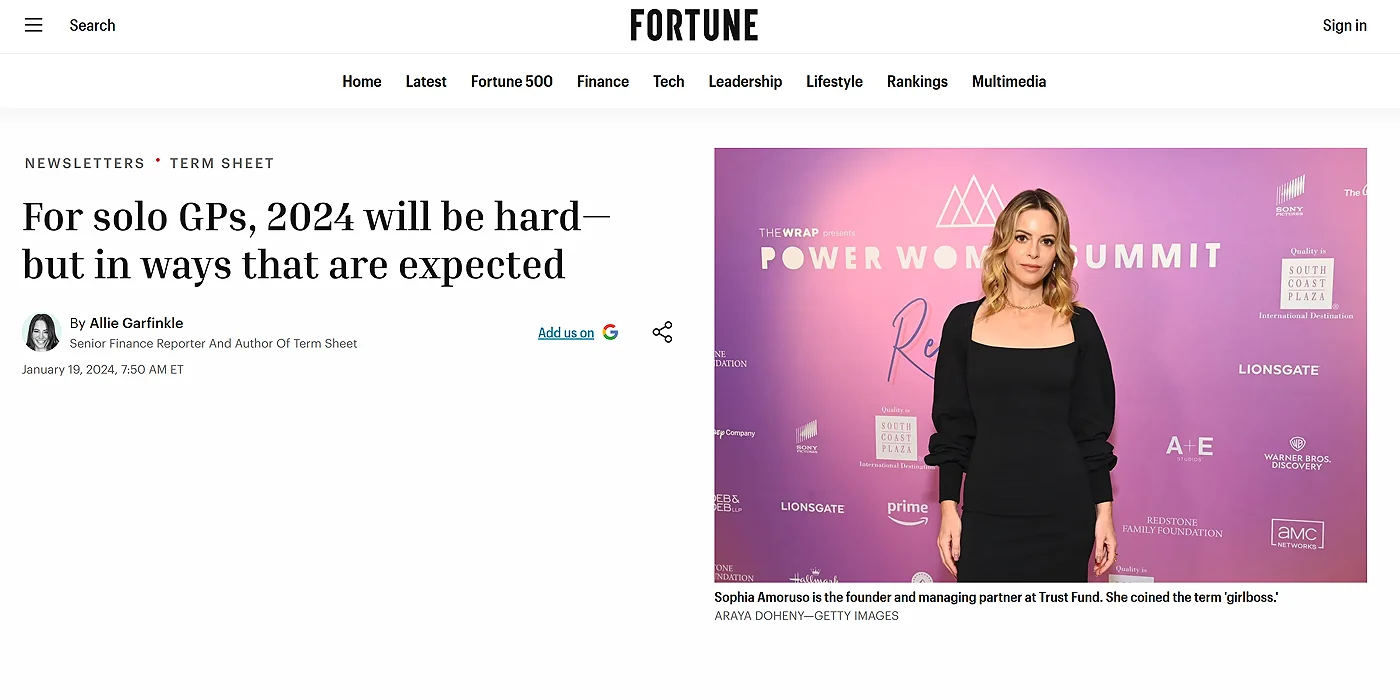
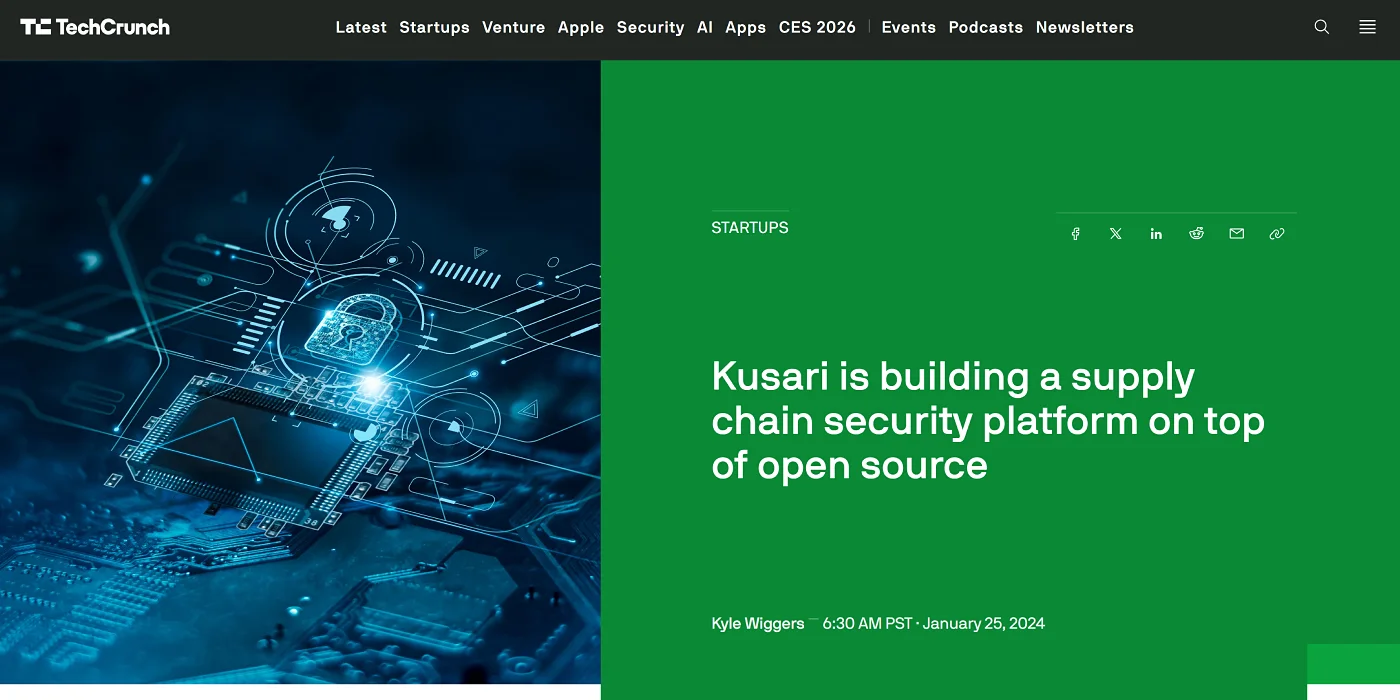
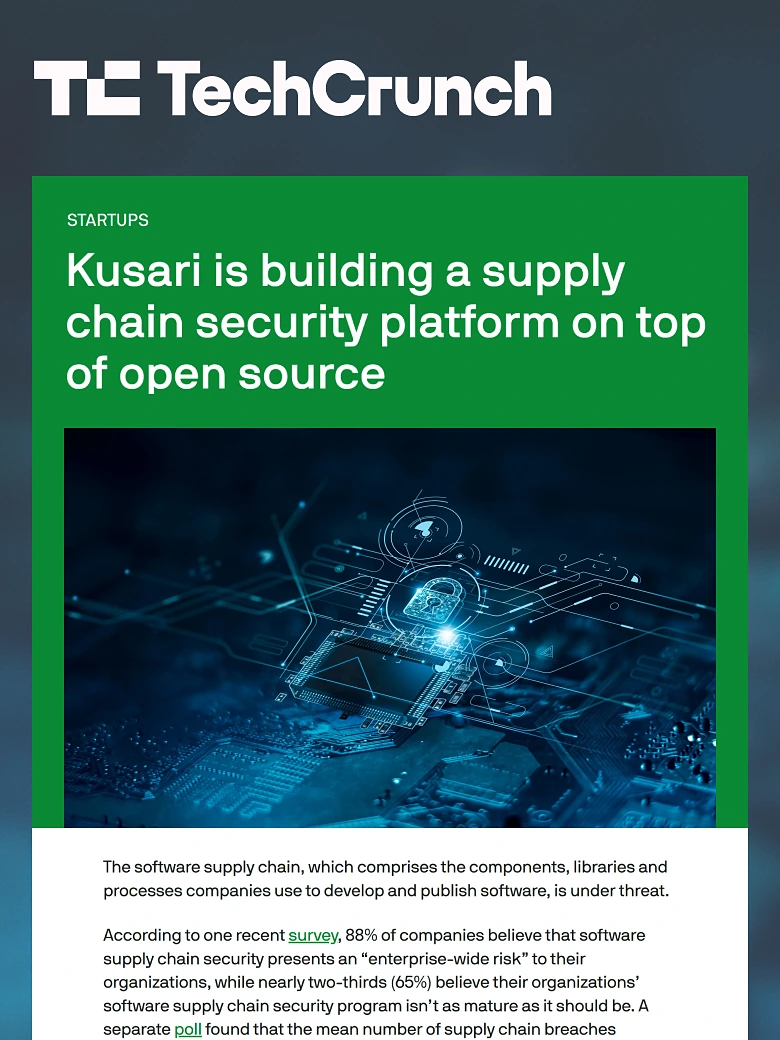
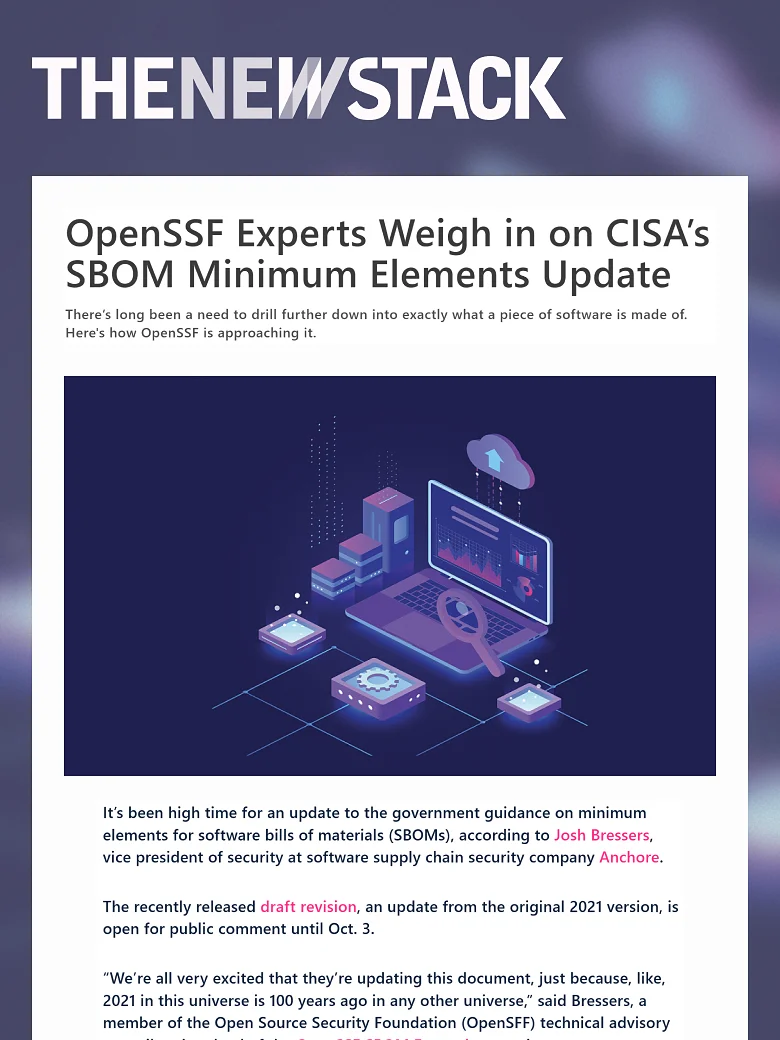
From architecting the $8M seed launch with exclusives for WSJ, Fortune, TechCrunch, and Axios to sustaining momentum across open-source security, DevSecOps, AI security, and SBOM compliance, we kept Kusari consistently in the conversation. We steered their POV through every major shift in standards and regulation—OpenSSF, NTIA, CRA, AI security baselines—and used product-led storytelling around Kusari Inspector to cut through noise with developer-first clarity. This wasn’t a press release push; it was a year-round earned-media engine that made Kusari impossible to overlook.
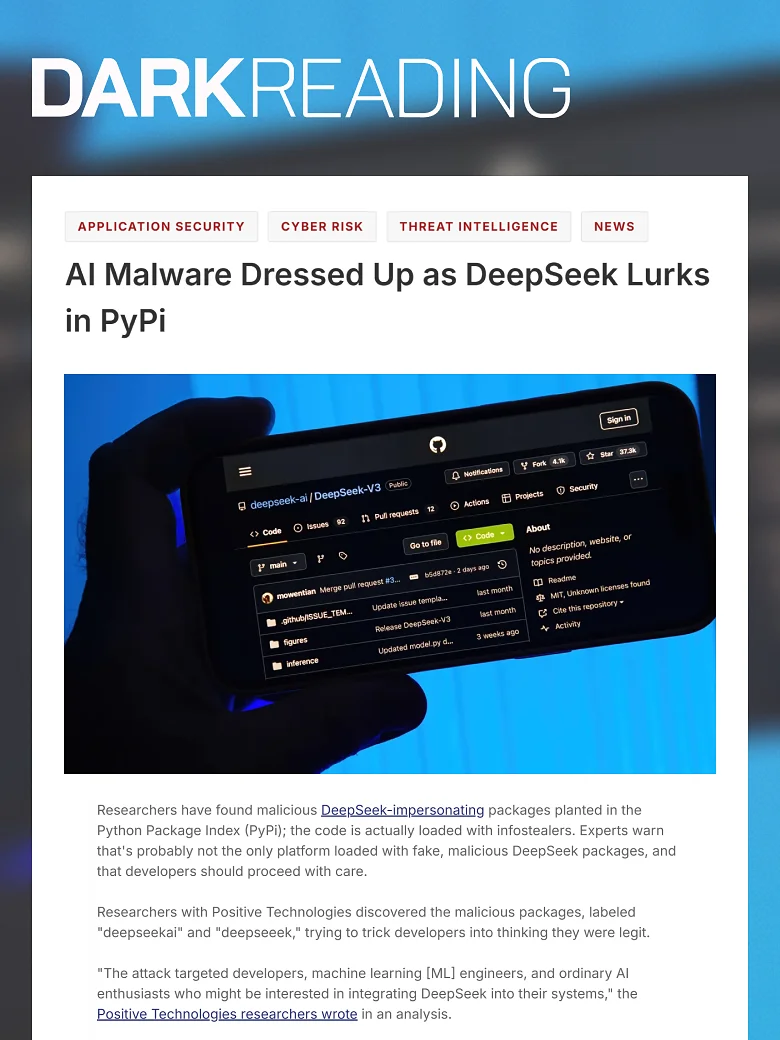
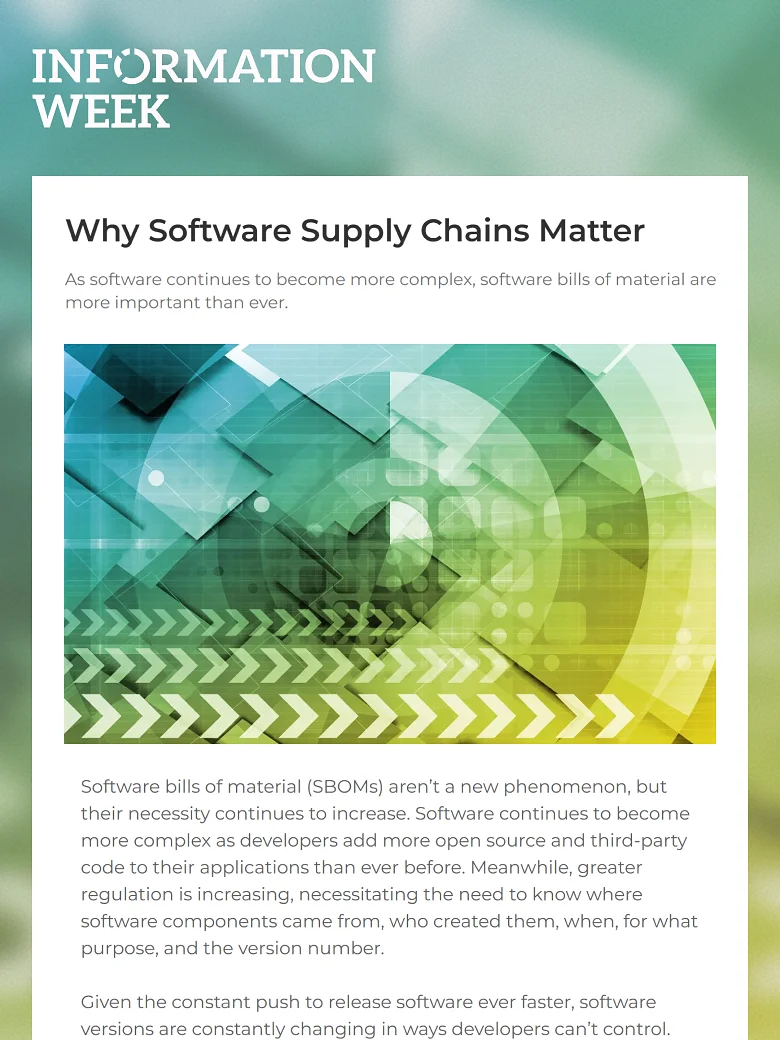
Within the first month of announcing Kusari’s funding, we generated 43 pieces of coverage and 11 interviews — including conversations with WSJ, TechCrunch, and Axios — firmly positioning the company inside one of cybersecurity’s fastest-moving categories. Early traction spanned Axios, Fortune, WSJ Pro VC, TechCrunch, SiliconANGLE, and top security trades like SecurityWeek, InformationWeek, and DEVOPSdigest, followed by extensive syndication and newsletter pickups. The launch didn’t just make noise; it established the foundation for a durable, long-term earned media presence that continued to compound quarter after quarter.
By 2025, Kusari had evolved from an early-stage newcomer into a recognizable signal in the software supply chain security landscape. They became a trusted name among CISOs, developers, and open-source leaders, outpaced larger competitors in both volume and breadth of coverage, and showed up in nearly every major storyline shaping the category. Their narrative shifted toward trust, transparency, and technical leadership—moving them from “emerging startup” to a company actively influencing how the industry talks about securing the modern software supply chain.




Former Salesforce CMO wanted to launch $95M Series C and establish an ongoing thought leadership program for the executive team in the competitive AI sales tech landscape.
Above goal in Q3, 2025
Of coverage came from proactive campaigns
Podcast appearances in Q2, 2025